Korean Honey-Butter Dried Squid Snack in 10 Minutes (3 Servings)
A Korean cinema and rest-stop snack made by quickly pan-tossing packaged shredded dried squid with butter and honey. Different from rehydrated, deep-fried squid.
Korean home cooking first, with dishes from around the world.

A pumpkin variation of Korean sikhye: cooked rice is steeped in malted-barley water, then blended steamed squash is added and boiled. Unlike plain sikhye, it has a squash flavor and color.

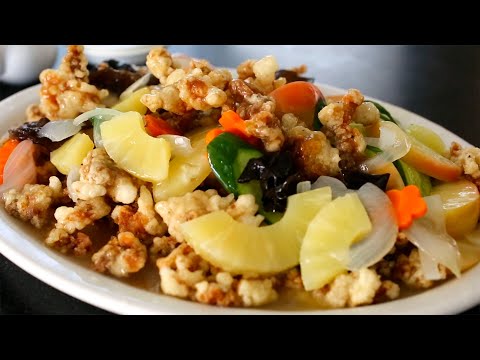
Tangsuyuk is a Korean-Chinese take on sweet-and-sour pork. Soak the starch, fry the pork twice and serve the sweet-sour sauce separately or poured over. Allow about two hours for starch settling.

A chilled Korean noodle soup made with ripe napa-kimchi juice and cold stock, topped with cucumber. Unlike bibim guksu, these noodles are served in broth.

A beginner-friendly variation of Korean potato pancakes, with grated potato, onion and potato starch. Pan-fry until golden and serve with a soy-vinegar dip.

A simplified variation of Korean bean porridge made with soaked split green peas, blended or mashed and thickened with glutinous rice flour. The source's decorative rice cakes and pine nuts are omitted. Dried peas need an additional 6–8 hours of refrigerated soaking.

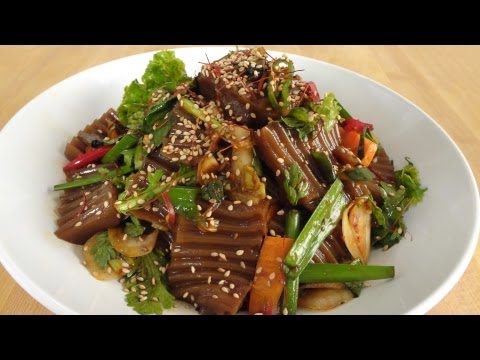
Make Korean acorn jelly from commercial food-grade powder, cook it and chill until set. Unlike recipes using ready-made jelly, this teaches how to make the jelly itself. Follow the product's water ratio when different.

A simple Korean clear soup of rehydrated dried pollock, potato and scallions.

Unlike a simple stir-fry, kkwarigochu-jjim uses a light flour coating that is steamed before tossing in an anchovy-soy seasoning. This is a small-batch adaptation of Maangchi's recipe.

A Korean pot-rice dish made with cleaned abalone, wakame, garlic and toasted sesame oil. This is distinct from abalone porridge; this home adaptation omits raw egg and abalone viscera.